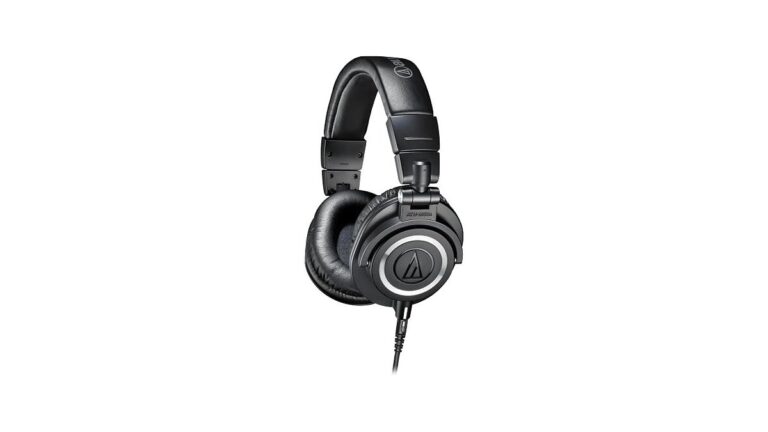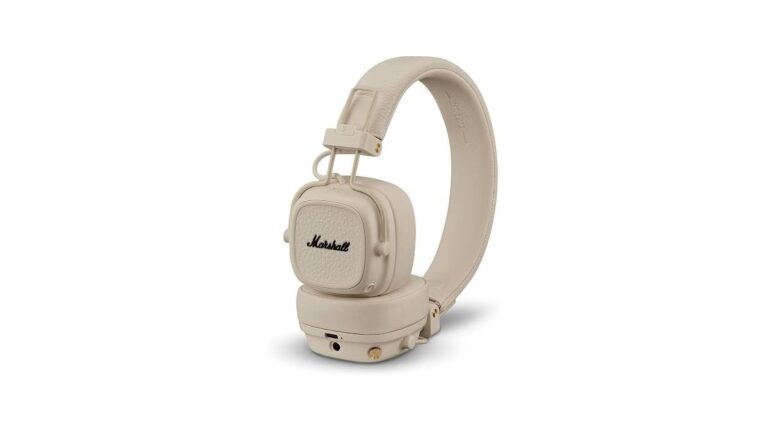
Finding the best noise cancelling headphones for autism depends entirely on your specific environment and the person who will be wearing them. Some users need active electronic noise cancellation for travel or office work, while others require the consistent, battery-free protection of passive earmuffs for loud, industrial, or sensory-heavy settings. You must decide if you need to block out all sound or simply dampen it while maintaining the ability to hear human speech. The Bose QuietComfort Headphones and the DECIBEL DEFENSE Ear Muffs represent the two ends of this spectrum, catering to tech-focused users and those needing maximum physical sound reduction, respectively.
All 10 products side by side — scroll sideways to see every column.
| Top Pick | Best for All-Day Wear | Best for App Control | Best for Workshops | Best for High Decibels | Best for Hearing Safety | Best for Younger Children | Best for Focus | Best for Bluetooth | ||
| Preview |  |  |  |  |  |  |  |  |  |  |
|---|---|---|---|---|---|---|---|---|---|---|
| Product | Bose QuietComfort Headphones | Sony WH-CH720N | Anker Soundcore Q20i | 3M WorkTunes Connect | DECIBEL DEFENSE Ear Muffs | iClever Q950 | Alpine Muffy Kids | ZOHAN 030 Kids | PROHEAR 032 | Kids Bluetooth Safety Earmuff |
| Brand | Bose | Sony | Soundcore | 3M | DECIBEL DEFENSE | iClever | Alpine Hearing Protection | ZOHAN | PROHEAR | Muslecid |
| Best for | Top Pick | Best for All-Day Wear | Best for App Control | Best for Workshops | Best for High Decibels | Best for Hearing Safety | Best for Younger Children | — | Best for Focus | Best for Bluetooth |
| The listing says | Available in Twilight Blue Noise cancellation with passive features | Weighs 192g Integrated Processor V1 noise sensor | Reduces up to 90% of noise 40mm drivers with BassUp technology | 26 dB Noise Reduction Rating Bluetooth wireless technology | 37 dB NRR hearing protection Available in Regular and XL sizes | TÜV Rheinland Hearing Care Certified 35dB Hybrid Active Noise Cancellation | Silicone-free, soft, lightweight material Helps prevent hearing damage | SNR 26dB, NRR 22dB noise reduction Lightweight ABS plastic frame | Durable ABS shell and soft materials 25dB NRR noise reduction | Bluetooth 6.0 connection 29dB SNR noise reduction |
| More information | Check Latest Price on Amazon | Check Latest Price on Amazon | Check Latest Price on Amazon | Check Latest Price on Amazon | Check Latest Price on Amazon | Check Latest Price on Amazon | Check Latest Price on Amazon | Check Latest Price on Amazon | Check Latest Price on Amazon | Check Latest Price on Amazon |
1. Bose QuietComfort Headphones
Best for: Someone who needs high-quality sound and active noise control daily.
These headphones are designed for those who spend long periods in noisy environments and want to control exactly what they hear. The active noise cancellation technology is built to help you block out the outside world, while the Aware Mode lets you toggle back to your surroundings when needed. The plush cushions and padded band are meant for extended wear, which is helpful for long travel days or intense work sessions.
The adjustable EQ puts you in control of your sound, allowing you to tweak bass, mid-range, and treble. This is a great feature if you find certain frequencies irritating or if you want to prioritize vocal clarity for podcasts or audiobooks. However, they rely on a battery to function in their primary noise-canceling mode. If you’re looking for a device that requires zero charging or electronics, this isn’t the right choice for you.
Good if:
- You need to switch between devices using multi-point Bluetooth.
- You want the option to use a wired cable if the battery dies.
- You prefer a customizable sound profile for music or work.
Skip it if:
- You need a device that works without any electronic parts.
- You’re looking for a strictly industrial-rated hearing protection device.
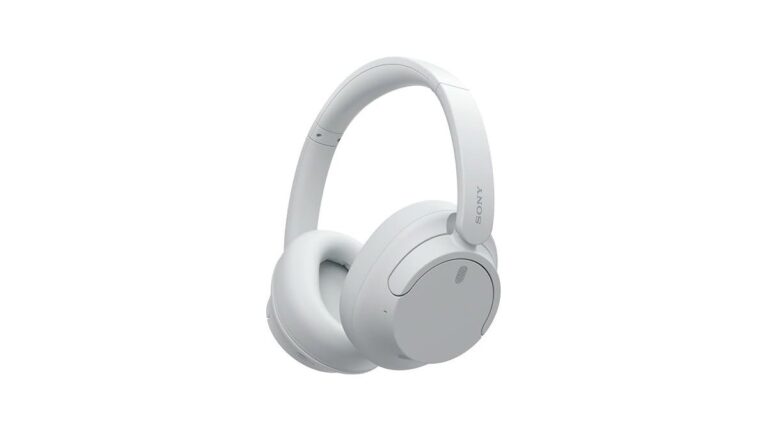
2. Sony WH-CH720N Wireless Noise Cancelling Over-Ear Headphones
Best for: A user who wants lightweight comfort for all-day wear.
Sony focuses on a lightweight design here, aiming to reduce the physical strain of wearing headphones for many hours. The Integrated Processor V1 is used to manage noise cancellation, which is designed to handle various environmental sounds. Its ambient sound mode allows you to stay aware of your surroundings, which can be useful when you need to be alert while still reducing background noise.
The long battery life is a standout feature for those who forget to charge their devices often. Because they’re designed to be light, they might feel less sturdy than heavier, industrial-grade options. If you need something that can withstand heavy impacts or rough, outdoor construction use, these might not be the most durable pick for your specific needs.
Good if:
- You prioritize a light weight to prevent head fatigue.
- You need quick charging for short-notice trips.
- You want clear voice pickup for phone calls.
Skip it if:
- You need extreme durability for rough, outdoor environments.
- You prefer a heavy-duty, passive physical seal.
3. Soundcore by Anker Q20i Hybrid Active Noise Cancelling Headphones
Best for: Someone who wants hybrid noise cancellation and app-based control.
This model uses a hybrid system with internal and external microphones to detect and reduce noise. The oversized drivers and BassUp technology are meant to provide a detailed sound experience, which is useful if you use music as a primary tool for sensory regulation. The app support is a major benefit, as it allows you to personalize your settings, including spatial audio and ANC levels.
While these offer good battery life, the reliance on an app means you should be comfortable with using a smartphone to get the most out of them. If you prefer a “plug and play” device without any software updates or digital settings, this might be more complex than you need.
Good if:
- You want to customize your sound profile via an app.
- You need a long battery life for daily commuting.
- You want the ability to connect to two devices at once.
Skip it if:
- You don’t want to use a smartphone app for setup.
- You need specialized industrial-grade hearing protection.
4. 3M WorkTunes Connect Wireless Hearing Protector with Bluetooth
Best for: Someone who works in a loud, industrial, or workshop environment.
These are built specifically for hearing protection, providing a specific noise reduction rating. They’re designed to be durable and water-resistant, making them a better choice for someone who is working with power tools or in a garage. The built-in volume limiter is a key safety feature, as it helps ensure that the audio you play doesn’t reach dangerous levels.
Because these are industrial tools first, they aren’t as focused on the high-fidelity sound nuances found in standard consumer headphones. If your goal is to listen to high-resolution music with perfect audio balance, you may find the sound quality here to be less detailed than in the Bose or Sony models.
Good if:
- You need a specific noise reduction rating for safety.
- You want water and sweat resistance for tough work.
- You prefer a device that prioritizes safe volume levels.
Skip it if:
- You want the highest possible audio fidelity for music.
- You need a lightweight, sleek design for casual use.
5. DECIBEL DEFENSE Ear Muffs
Best for: Someone needing maximum noise reduction without batteries or electronics.
This product is built for pure, passive noise reduction with a high NRR rating. It’s a mechanical solution, meaning there are no batteries to charge and no electronics that can fail. This makes it an ideal choice for someone who needs a reliable, “always-on” barrier against loud noises like machinery or fireworks. The design is simple and focuses on creating a tight seal around the ears.
Because the seal is intended to be snug for maximum protection, some users may find them too tight initially. The manufacturer suggests stretching them over a box if they feel too rigid. If you prefer a looser fit or need to hear ambient sounds, this level of isolation might feel too intense.
Good if:
- You want a simple, battery-free device.
- You need high-level noise reduction for loud events.
- You prefer a product built by a family business.
Skip it if:
- You need to hear voices or environmental sounds clearly.
- You find tight headbands uncomfortable for long periods.
6. iClever Q950 Hearing Care Certified Noise Cancelling Headphones
Best for: A child who needs hearing safety certification and volume limits.
These headphones are specifically tailored for children, with a focus on hearing safety standards. They limit volume below a safe threshold and are certified for durability, which is important if they’re being used by a younger child. The inclusion of transparency mode is helpful for children who need to hear their surroundings occasionally without taking the headset off.
While they’re built for children, the size and fit are specific to that demographic. If you’re an adult or a teen with a larger head, these will likely be uncomfortable or simply not fit correctly. They’re a specialized tool for younger users, not a general-purpose product.
Good if:
- You need a volume-limited device for a child.
- You want certified hearing protection standards.
- You need a durable, kid-proof design.
Skip it if:
- You’re an adult or need an adult-sized fit.
- You want a device without volume-limiting software.
7. Alpine Muffy Kids Ear Protection Ear Muffs
Best for: Younger children who need sensory relief in loud places.
These earmuffs are designed for kids aged 3 to 16, focusing on comfort and simplicity. They use lightweight, silicone-free materials that are easy to clean, which is a practical benefit for parents. The primary purpose is to provide sensory relief in busy, loud environments like parades or fireworks displays.
They don’t have Bluetooth or electronic noise cancellation, which keeps the design very simple. If your child requires audio input, such as calming music or a favorite show to help manage sensory overload, this product won’t provide that. It’s strictly a passive sound-dampening tool.
Good if:
- You need a simple, passive solution for a child.
- You want easy-to-clean materials.
- You need a product designed for a wide age range.
Skip it if:
- You need Bluetooth connectivity for audio or media.
- You want active noise cancellation technology.
8. ZOHAN 030 Kids Noise Cancelling Headphones
Best for: Parents looking for a comfortable, hair-friendly sensory option.
The ZOHAN 030 Kids model features a unique ABS frame that’s designed to avoid pulling hair, a common complaint with metal-hinged earmuffs. They’re highly portable due to their foldable design, making them easy to toss into a bag for school or travel. They offer passive noise reduction while still allowing for some auditory awareness, which can be safer in crowded social settings.
Like the other passive options, these don’t feature electronics. If you’re looking for active noise cancellation to “shut off” the world completely, these will only dampen the sound rather than cancel it. They’re best suited for reducing environmental triggers rather than eliminating all noise.
Good if:
- You want to avoid hair-pulling from metal parts.
- You need a portable, foldable design.
- You need a versatile fit for toddlers and teens.
Skip it if:
- You want active noise cancellation features.
- You need to connect to a tablet or phone.
9. PROHEAR 032 Noise Cancelling Headphones
Best for: A child who needs adjustable, lightweight protection for focus.
This model is designed to be ultra-lightweight, which helps with long-term wear during school or homework. The adjustable sizing ensures it can grow with the child, and the vibrant colors allow for personalization. It’s a passive device focused on reducing noise to aid concentration, which is a common need for children with sensory sensitivities.
The lack of electronics means you can’t play white noise or music through these. If your child relies on specific audio stimuli to remain calm, you would need to find a different solution or layer these over earbuds, which might be uncomfortable.
Good if:
- You need a lightweight, adjustable fit for focus.
- You want a durable product for active kids.
- You need a device that meets safety certification standards.
Skip it if:
- You need Bluetooth or electronic noise control.
- You require a device that plays music.
10. Kids Bluetooth Safety Earmuff
Best for: A child who needs both passive protection and limited-volume Bluetooth.
This device offers a bridge between passive protection and modern connectivity. It uses passive sound blocking materials to reduce noise, but includes Bluetooth 6.0 and a volume limiter to keep audio levels safe. The 80-hour battery life is exceptionally long, which is great for parents who don’t want to worry about charging during a trip.
Because it relies on passive reduction, it doesn’t have active noise cancellation. It won’t be as effective at silencing low-frequency droning noises as an active device might be. It’s a compromise designed to give you both silence and sound playback in one package.
Good if:
- You want Bluetooth connectivity with safety volume limits.
- You need a very long battery life for travel.
- You want a hybrid passive/Bluetooth design.
Skip it if:
- You require active noise cancellation for low-frequency sounds.
- You prefer a purely mechanical, non-electronic device.
Where These Overlap
When choosing between these models, it’s essential to distinguish between active noise cancellation (ANC) and passive noise reduction. Products like the Bose QuietComfort Headphones, Sony WH-CH720N, and Anker Soundcore Q20i use electronics to “cancel” sound, which is excellent for travel, office work, or managing consistent background drones. However, these aren’t typically industrial-rated tools. Conversely, the DECIBEL DEFENSE Ear Muffs, Alpine Muffy Kids, and PROHEAR 032 rely on physical materials to block sound. These are inherently more durable and require no power, making them the superior choice for high-volume environments like construction sites, gun ranges, or loud public events.
The middle ground is occupied by products like the 3M WorkTunes Connect and the Kids Bluetooth Safety Earmuff, which attempt to provide both hearing protection and Bluetooth connectivity. These are specialized tools that prioritize safety ratings above high-fidelity audio. If you’re a first-time buyer for a child, the World Health Organization provides guidelines on safe listening levels that are helpful to understand before selecting a device with audio playback. For adults, the choice usually comes down to whether you need to hear your environment or completely disconnect from it.
Still Not Sure?
How often will I really use it?
If you plan to use the headphones for several hours every day in a stable environment like an office or home, an active model like the Bose QuietComfort Headphones is a strong candidate. These are designed for comfort and consistent electronic noise management. However, if you only need them for occasional, very loud events like fireworks, concerts, or heavy machinery, a passive model like the DECIBEL DEFENSE Ear Muffs is a better, lower-maintenance choice. You won’t have to worry about charging or software updates, and the physical protection is generally more robust for those specific, high-intensity scenarios.
What do I already own that this has to work with?
Think about your current devices. If you already have a tablet or phone that you use for sensory regulation, the iClever Q950 or the Kids Bluetooth Safety Earmuff can sync with those devices to provide audio while also dampening noise. If you already own high-quality noise-canceling earbuds, you might consider wearing those underneath a pair of passive earmuffs like the PROHEAR 032 for a double-layer of protection. If you don’t use any digital audio, stick to a passive-only option, as the electronics in other models will simply be an unnecessary complication and an extra point of failure.
What am I most likely to regret choosing?
The most common regret is choosing a device that’s too heavy or tight for the user’s specific head shape. If you or your child are sensitive to pressure, a heavy-duty model like the DECIBEL DEFENSE Ear Muffs might feel uncomfortable after an hour, even if it provides excellent protection. Alternatively, choosing a consumer-grade headphone like the Sony WH-CH720N for an industrial setting will likely lead to disappointment, as the plastic frames aren’t built for rough treatment. Always weigh the physical comfort needs against the environment where the product will be used.
The category of noise cancelling headphones for autism is broad, splitting between those needing active electronic control and those needing passive, rugged protection. If you need a device that integrates with your digital life for daily sensory management, the Bose QuietComfort Headphones offer the best overall active performance. If you need a reliable, battery-free tool for high-noise environments, the DECIBEL DEFENSE Ear Muffs are the standard choice. For children, prioritize certified hearing safety and fit over high-end features. Take a moment to consider your primary environment before clicking through to Amazon to view today’s availability.
Frequently Asked Questions
Can these headphones completely block out all sound?
No, these headphones cannot block 100% of all sound. Passive models like DECIBEL DEFENSE use dense foam to lower decibel levels, while active headphones like Bose QuietComfort use technology to cancel consistent low-frequency noise. You will always hear some ambient sound, which is a safety feature to ensure you remain aware of your surroundings.
Will these headphones be too tight for someone with sensory issues?
Passive earmuffs require a snug fit to create an effective seal, so they naturally feel tighter than standard headphones. Brands like ZOHAN and PROHEAR use lightweight materials to minimize discomfort, while active models like the Sony WH-CH720N rely on technology rather than a physical clamp. Always check for adjustable headbands to customize the pressure.
Are these headphones safe for children to use for long periods?
Safety depends on the device type and usage. Models like the iClever Q950 include volume-limiting technology for children, while passive options like the Alpine Muffy Kids are safe for extended wear if they fit comfortably. It is recommended to take breaks every hour to allow ears to breathe and ensure the fit remains comfortable.
Do I need to buy extra accessories for these to work?
Most products come with everything needed for immediate use, including charging cables for electronic models. Passive models like DECIBEL DEFENSE require no extra accessories, though active models may benefit from a protective carrying case. Always check the specific listing’s “what’s in the box” section to see exactly what is included.
Conclusion
Ultimately, the right pair shouldn’t just block noise; it should help you feel more at ease in your daily life. Don’t be afraid to try a few different styles before you settle on one. Once you find that perfect fit, you’ll finally have the quiet space you’ve been looking for.