Finding the best headphones for gaming no mic depends on how you plan to use them. You must decide if you want open-back headphones for a wide, natural soundstage or closed-back models for noise isolation. Your listening environment and personal comfort preferences are the biggest factors in making your final choice. Sennheiser HD 560S and Sony MDR7506 represent the two extremes that split most buyers, one favoring open-air immersion and the other professional sound sealing.
All 10 products side by side — scroll sideways to see every column.
| Top Pick | Best for Studio Tracking | Also Great | Best for Earbud Users | Best for Vocal Monitoring | Best for Lossless Audio | Best for Hybrid Drivers | Best for Spacious Sound | Best for Professionals | ||
| Preview |  |  |  |  |  |  |  |  |  |  |
|---|---|---|---|---|---|---|---|---|---|---|
| Product | Sennheiser HD 560S | Audio-Technica ATH-M20x | OneOdio A71 | CCA Phoenix IEM | FIFINE HD8W | Yoidesu HiFi Headphones | CVJ Jemine IEM | Sennheiser HD 599SE | Sony MDR7506 | beyerdynamic DT 990 Pro |
| Brand | Sennheiser | Audio-Technica | OneOdio | CCA | FIFINE | Yoidesu | CVJ | Sennheiser | Sony | beyerdynamic |
| Best for | Top Pick | Best for Studio Tracking | Also Great | Best for Earbud Users | Best for Vocal Monitoring | Best for Lossless Audio | Best for Hybrid Drivers | Best for Spacious Sound | Best for Professionals | — |
| The listing says | Natural and accurate reference sound Open-back earcups for lifelike depth | Designed for studio tracking and mixing 40 mm drivers with rare earth magnets | 40mm drivers for high-resolution audio Adjustable headband with soft padded cushions | Precise sound signature with deep bass 10mm dual-magnet driver and LCP diaphragm | 50MM drivers for rich bass and treble Soft leather ear-cups and foldable headband | 50mm HiFi driver for lossless sound Closed chamber design reduces background noise | 10mm dynamic and balanced armature drivers Silver-plated cable for reliable transmission | Open-back design for spacious soundstage Precise highs, rich mids, and controlled bass | 40 millimeter drivers with neodymium magnets Closed ear design for noise reduction | 48-ohm drive for use with any source Open-back reference sound for mixing |
| More information | Buy on Amazon | Buy on Amazon | Buy on Amazon | Buy on Amazon | Buy on Amazon | Buy on Amazon | Buy on Amazon | Buy on Amazon | Buy on Amazon | Buy on Amazon |
1. Sennheiser HD 560S Open-Back Over-Ear Wired Audiophile Headphones
Best for: Listeners who want a natural and accurate reference sound experience.
These headphones offer a wide soundstage thanks to open-back earcups that let sound waves expand naturally. The ergonomic acoustic refinement tilts the drivers to match your ears, which helps reveal the truth in your music. The new polymer-blend transducer membrane provides highly-linear excursion, giving you clear bass and a solid low-end reach.
Because they’re open-back, they don’t block outside noise. If you work in a shared office or a busy household, these headphones do not isolate your audio from others. They’re designed for critical, reference-grade listening in quiet rooms rather than portable use.
If you’re choosing between these and closed-back models, consider your environment first. If you need to focus in a noisy space, skip these; the open design prioritizes spatial realism over isolation. If you’re mixing tracks or analyzing fine details in a controlled studio, the open-back construction is your best tool for accuracy.
Good if:
- You enjoy a natural, lifelike audio depth.
- You prefer open-back designs for long listening sessions.
- You need highly accurate sound for critical listening.
Skip it if:
- You need to block out noise from your surroundings.
- You want a headset that keeps your audio private from others.
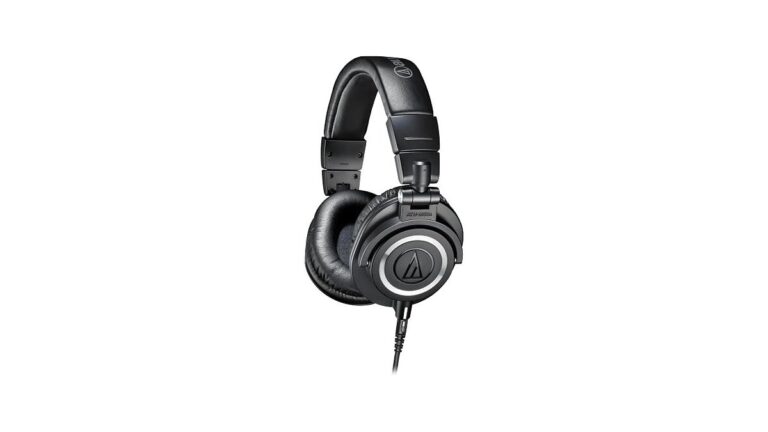
2. Audio-Technica ATH-M20x Professional Studio Monitor Headphones
Best for: Someone who needs a reliable, durable tool for studio tracking.
These headphones feature advanced build quality designed for the rigors of studio work. The 40mm drivers utilize rare earth magnets and copper-clad aluminum wire voice coils, a combination tuned for enhanced low-frequency performance. This provides a punchy sound profile essential for monitoring bass-heavy tracks. The circumaural design contours around your ears to provide excellent sound isolation, which is vital when you’re in a loud or busy environment.
The cable exit is positioned on a single side, which helps prevent tangles during use. These are built for function rather than heavy features, and the design lacks extra accessories like a carrying case. If you prioritize portability or frequent travel, the fixed cable is a design limitation.
Good if:
- You need a closed-back design for noise isolation.
- You want a comfortable fit for extended periods.
- You prefer a simple, professional build.
Skip it if:
- You want a detachable cable for easy replacement.
- You’re looking for a wide, open soundstage.
If you’re primarily mixing delicate acoustic arrangements, the bass-forward tuning may color your perception too much. Use these for tracking or heavy editing where isolation is your primary requirement.
3. OneOdio A71 Hi-Res Wired Over-Ear Studio Headphones
Best for: A user who needs one pair of headphones for many devices.
The OneOdio A71 is designed for versatility, featuring 40mm drivers that deliver clear, high-resolution sound. The swiveling earcups allow for single-ear monitoring, keeping one ear open if you need to hear your surroundings. A unique feature is the shared audio port, which lets you connect another pair of headphones to daisy-chain your music without using a splitter.
The headphones come with a long, coiled cord that stretches from 6.6 to 9.8 feet, making them easy to use with amps or instruments. For laptops and standard mobile devices, use the 3.5mm plug. This eliminates the need for extra adapters.
Many users make the mistake of leaving the headband at a static setting. Because the band is stretchable and fully adjustable, take a moment to find your desired angle before starting a long session. If the pressure feels uneven, adjust the headband until the padded cushions create a complete seal around your ears. This seal is the primary way these headphones achieve passive noise isolation.
Good if:
- You need to connect to various devices like guitars or laptops.
- You value the ability to share audio through a secondary port.
- You need the flexibility of a long, coiled cable.
Skip it if:
- You prefer a lightweight, compact design for travel.
- You want high-end materials like metal over the standard build.
4. CCA Phoenix in-Ear Monitor Headphones
Best for: A musician or gamer who prefers the precision of earbuds.
The CCA Phoenix uses a 10mm dual-magnet dynamic driver with an LCP diaphragm to produce deep, textured bass and crisp highs. The metal cavity design provides a stable structure that keeps the sound clear and reduces distortion. Because they’re in-ear monitors, they provide strong passive noise isolation simply by fitting securely into your ear canal.
The silver-plated cable is detachable, meaning you can upgrade it later if you choose to. The ergonomic shape is based on thousands of ear profiles, intended to keep them secure during long sessions.
If you’re mixing tracks or gaming, rely on the V-shaped tuning for better separation. This tuning boosts the bass and treble, which helps you hear subtle details like vocal whispers or string harmonics. If you find the sound too aggressive, check that you have selected the correct ear tip size to maintain the seal. A poor seal will cause the bass to lose its authority and the mix to sound thin.
Good if:
- You want the detailed sound signature of an IEM.
- You prefer a compact, portable form factor.
- You want a detachable cable for future upgrades.
Skip it if:
- You find in-ear buds uncomfortable for long periods.
- You prefer the feel of over-ear headphones.
5. FIFINE HD8W Studio Monitor Headphone with 50mm Drivers
Best for: Someone who needs clear vocal monitoring for recording.
These headphones feature large 50mm drivers designed to provide rich bass and bright treble. The closed-back design wraps tightly around your ears, which helps block out external noise while you work. They come with two detachable cables of varying lengths, giving you flexibility whether you’re at your desk or moving around a studio.
The construction uses soft leather material for the ear cups to reduce discomfort during long sessions.
If you’re using a sound card or an amplifier, these headphones connect directly without requiring extra adapters. This makes them a versatile choice for both casual smartphone listening and professional studio setups.
Good if:
- You need strong noise cancellation from a closed-back design.
- You want clear vocal and instrument reproduction.
- You appreciate having detachable cables for storage.
- You require a wide range of device compatibility without adapters.
Skip it if:
- You prefer the airy soundstage of open-back designs.
- You want a more premium, rigid frame.
- You need a carrying case included in the box.
6. Yoidesu HiFi Wired Gaming Headset with 50mm Driver
Best for: Someone who needs a versatile headset for gaming and music.
The Yoidesu headphones use a 50mm driver to produce a balanced, HiFi sound profile. The closed chamber design is engineered to minimize background noise, which helps you focus on intricate sound details in games or music. They feature an automatically adjustable headband, which is designed to fit your head without manual fiddling.
If you notice your audio sounds thin or lacks depth, check your connection. These headphones use a low impedance coil, meaning they perform best when plugged directly into a source rather than through a secondary, underpowered hub.
The unit includes a threaded plug that works with both 3.5mm and 6.35mm jacks. This allows you to switch between a phone, a console, or an amplifier without needing extra adapters. The single-sided cable design prevents the tangles common with dual-wire sets, keeping your workspace clean during long recording sessions.
Good if:
- You need effective noise reduction for focused gaming.
- You want a single cable solution for multiple devices.
- You prefer an automatically adjusting headband.
Skip it if:
- You need a microphone for team chat.
- You prefer high-end audio branding over a multi-use set.
7. CVJ Jemine Wired Earbuds IEM
Best for: A gamer or listener who wants a hybrid driver setup.
This hybrid system combines a 10mm dynamic driver for bass with a balanced armature driver for clear, detailed highs. The silver-plated cable helps reduce signal interference, ensuring that the audio remains clean. A unique design feature is the interchangeable glass faceplate, which lets you change the look of your earbuds.
Because these lack a microphone, they’re strictly for listening. They feature 3.5mm compatibility for various devices, including gaming consoles and laptops. If you’re using a device without an analog port, you’ll need a separate adapter to maintain the connection.
Good if:
- You want the balanced sound of a hybrid driver.
- You like the idea of customizing your gear’s look.
- You need a portable option for gaming on the go.
Skip it if:
- You prefer over-ear headphones for gaming comfort.
- You want a model with a built-in volume controller.
- You require a microphone for team communication during multiplayer sessions. Without a mic, these are purely for output, making them better for solo play or studio monitoring than for competitive voice chat.
8. Sennheiser HD 599SE Open-Back Wired Audiophile Headphones
Best for: Audiophiles who want an immersive, spacious sound experience.
These open-back headphones provide a natural, balanced soundstage. They capture high-fidelity details, making them ideal for classical or acoustic music where instrument separation matters. The plush velour ear pads ensure comfort during all-day listening sessions.
Because the design is open-back, these headphones don’t provide noise isolation. If you work in a shared office or a noisy household, the sound will bleed out and environmental noise will bleed in. Use these only in quiet, private spaces to maintain audio integrity.
They include two detachable cables: a 3-meter 6.3mm cord for high-end audio setups and a 1.2-meter 3.5mm cord for mobile devices or computers. Match the cable to your hardware to avoid unnecessary adapters.
Good if:
- You want a wide, immersive sound for gaming or music.
- You value long-term comfort with velour ear pads.
- You need flexible cable options for different devices.
Skip it if:
- You need to isolate yourself from outside noise.
- You want a portable, closed-back design.
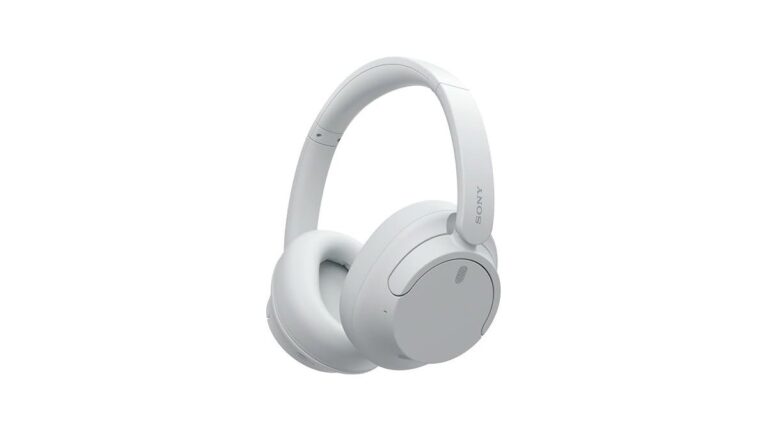
9. Sony MDR7506 Professional Large Diaphragm Headphone
Best for: Professionals who need industry-standard accuracy and reliability.
These headphones feature 40mm drivers and neodymium magnets that provide a very detailed, powerful sound. The closed-ear design is a classic choice for professional audio systems because it offers excellent reduction of external noises. They fold up, making them easy to pack into the provided soft case for travel or storage.
The 9.8-foot cord is fixed, so it can’t be removed or replaced if damaged. This lack of a detachable cable is a common point of failure for daily users; if the wire frays, you must replace the entire unit rather than just the cord. Always check your workspace layout before buying, as the long, non-detachable cable can become a snag hazard in cramped home setups.
Good if:
- You need a tried-and-true professional monitoring tool.
- You want effective noise reduction in a compact, foldable design.
- You need high-fidelity sound for critical listening.
Skip it if:
- You need a detachable cable for easy repairs.
- You prefer modern, open-back soundstages.
- You require a shorter cable for mobile use, as the 9.8-foot length is cumbersome outside of a studio.
10. beyerdynamic DT 990 Pro X (48 Ohm)
Best for: Critical listeners who need precise detail and depth.
The DT 990 Pro X utilizes a STELLAR.45 driver to provide high-resolution monitoring at any volume. This flagship transducer ensures that your audio remains accurate whether you’re tracking or performing final edits. The open-back soundstage is essential for revealing the exact placement and depth of individual elements in your mix.
With a 48-ohm impedance, these headphones are engineered to reach full volume from any source. You can plug them directly into a laptop, interface, phone, or console without needing a separate headphone amplifier. This makes them a versatile choice for creators who move between different workstations throughout the day.
The package includes a detachable 3m mini-XLR cable and a 1/4-inch adapter. Because these are open-back, they allow sound to pass through the earcups. If you work in a loud room or record near a sensitive microphone, the lack of isolation will cause bleed. Stick to these for quiet, controlled studio environments where natural imaging is your priority.
Good if:
- You want flagship-level sound detail for your mix.
- You need a low-impedance set that works with standard devices.
- You prefer a detachable cable for convenience.
Skip it if:
- You need noise isolation for loud environments.
- You prefer a closed-back, private listening experience.
Choosing gaming headphones without a mic
Many of the products here share core traits, but the split between open-back and closed-back designs is the most significant divider. Models like the Sennheiser HD 560S, Sennheiser HD 599SE, and beyerdynamic DT 990 Pro all favor an open-back design. These are meant for home or studio use where you want a wide, airy soundstage and don’t care about blocking out your surroundings. They’re all highly focused on accuracy and detail, making them nearly interchangeable for someone who just wants the best “audiophile” experience.
Conversely, the Sony MDR7506, Audio-Technica ATH-M20x, and FIFINE HD8W are all closed-back monitor headphones. These are built to seal your ears off from the world. If you’re recording audio or gaming in a room with others, these are the ones that keep your sound in and the room noise out. The choice here often comes down to brand preference or build features, like whether you need a detachable cable or a specific fold-up design. The IEM options, such as the CCA Phoenix and CVJ Jemine, offer a completely different experience by sitting inside the ear. These are the most portable and provide natural noise isolation, but they lack the physical “space” that large over-ear cups provide.
Still Not Sure?
How often will I actually use them?
If you plan to wear your headphones for four or more hours every day, comfort is the most important factor. You should look for materials like velour or soft leather that prevent heat buildup. Open-back models like the Sennheiser HD 599SE are often better for long sessions because they allow air to circulate around your ears, preventing that “stuffy” feeling. If you only use them for quick gaming sessions, a closed-back model like the Audio-Technica ATH-M20x might offer better focus and isolation.
What equipment do I already own?
Check the impedance of your existing devices before you buy. Many high-end studio headphones work best with an amplifier, but models like the beyerdynamic DT 990 Pro are designed to provide full volume from a standard console or laptop. If you’re plugging directly into a controller or a standard 3.5mm jack, ensure the headphones don’t require high power to sound their best. For those using a phone or a console without a specialized port, the Yoidesu HiFi Headphones provide easy, direct connectivity.
What am I most likely to regret?
The most common regret is choosing an open-back model when you actually need privacy. If you live in a shared space, your housemates will hear your game audio, and you’ll hear everything in the house. The International Electrotechnical Commission sets global standards for electronic equipment, ensuring that audio devices meet basic safety and quality benchmarks. If you’re unsure about your environment, it’s safer to pick a closed-back set like the Sony MDR7506 to ensure you keep your audio private and block out distractions.
Closing
The right choice depends on your environment and your need for sound isolation. If you want a wide, natural soundstage for a private room, the Sennheiser HD 560S remains a top pick. If you need to block out noise and prefer a rugged, professional build for gaming or studio work, the Sony MDR7506 is the reliable standard. Once you decide between the airy feel of open-back designs and the focused seal of closed-back models, you can safely choose the model that fits your specific device setup.
Frequently Asked Questions
Can I use these headphones for console gaming if they have no microphone?
Yes, you can use these headphones for gaming, though you will need a separate microphone for voice chat. These models provide high-fidelity audio reproduction for improved directional awareness. For consoles like the PS5 or Xbox, you simply plug the 3.5mm cable directly into your controller.
Do I need a special adapter to plug these into my computer?
Most of the headphones listed here come with a 3.5mm plug, which is the standard size for laptops, phones, and gaming controllers. Many, such as the OneOdio A71 and FIFINE HD8W, also include a 6.35mm screw-on adapter in the box, which allows you to plug them into professional audio interfaces or amplifiers.
What is the difference between open-back and closed-back headphones?
Open-back headphones use vented earcups for a natural, wide soundstage, while closed-back models use sealed earcups to block external noise. Open-back designs are best for quiet environments, whereas closed-back models are necessary if you need to prevent sound leakage or block out background noise.
Are IEMs better for gaming than over-ear headphones?
IEMs like the CCA Phoenix provide excellent passive noise isolation by sealing the ear canal, making them ideal for focused listening. In contrast, over-ear headphones like the Sennheiser HD 560S offer a larger physical space for drivers, which can create a more expansive soundstage.
Conclusion
Choosing the right pair shouldn’t feel like a chore, so trust your ears to guide you. If you’re still unsure, try visiting a local shop to test how different designs feel during long sessions. Once you’ve picked your favorite, you’ll finally hear every detail in your games exactly as intended.