Choosing wired headphones means picking between studio-grade accuracy, open-back soundstages, or simple portability for daily use. These options differ mainly in their driver technology, ear cup design, and cable connectivity. Your decision depends on whether you prioritize long-term comfort, professional audio monitoring, or a lightweight setup for travel.
Best overall: Sony MDR7506 Professional, which offers a rugged, foldable design with powerful 40mm drivers for detailed audio across a wide frequency range. Best for studio work: Audio-Technica ATH-M20x, featuring a specialized design tuned for low-frequency performance and excellent sound isolation in loud environments. Best for casual mobility: Apple EarPods, providing a unique ergonomic shape designed for comfort and an integrated remote for easy call and volume management.
The rest of this guide is for anyone looking to simplify their audio setup without relying on wireless battery life.
How We Picked
We excluded any listings that lacked basic technical details or failed to clarify their primary use case. Our focus remained strictly on the manufacturer’s provided data regarding construction, comfort, and intended environment.
All 10 products side by side — scroll sideways to see every column.
| Top Pick | Best for Audiophiles | Best for Studio Mixing | Best for Apple Devices | Best for Travelers | Best for Bass Fans | Best for Easy Storage | Best for Daily Commute | Best for Secure Fit | Best for Simple Audio | |
| Preview |  |  |  |  |  |  |  |  |  |  |
|---|---|---|---|---|---|---|---|---|---|---|
| Product | Sony MDR7506 Professional | Sennheiser HD 599SE | Audio-Technica ATH-M20x | Apple EarPods | Sony MDRZX110NC | JBL Tune 500 | Sony MDR-ZX110 | Skullcandy Riff | Sony MDREX15AP | Skullcandy Jib |
| Brand | Sony | Sennheiser | Audio-Technica | Apple | Sony | JBL | Sony | Skullcandy | Sony | Skullcandy |
| Best for | Best Overall | Best for Audiophiles | Best for Studio Mixing | Best for Apple Devices | Best for Travelers | Best for Bass Fans | Best for Easy Storage | Best for Daily Commute | Best for Secure Fit | Best for Simple Audio |
| The listing says | 40 millimeter drivers with neodymium magnets Closed ear design reduces external noise | Open-back design for spacious soundstage Precise highs, rich mids, controlled bass | Designed for studio tracking and mixing 40 mm drivers with rare earth magnets | Geometry-based design for ear comfort Engineered to maximize sound output | Integrated noise canceling technology Up to 80 hours of battery life | Features JBL Pure Bass sound 1-button remote and microphone | 1.38 in neodymium dynamic drivers Swiveling earcups for easy storage | 3.5mm aux connection for travel Lightweight headband with on-ear fit | Includes small, medium, large silicone earbuds 9 mm dome type drivers with magnets | Noise isolating fit with 2 ear gels 3.5mm aux connection for travel |
| More information | Check Price on Amazon | Check Price on Amazon | Check Price on Amazon | Check Price on Amazon | Check Price on Amazon | Check Price on Amazon | Check Price on Amazon | Check Price on Amazon | Check Price on Amazon | Check Price on Amazon |
1. MDR7506 Professional Large Diaphragm Headphone
Best for: Professional audio monitoring and home studio use.
These headphones use 40mm drivers and neodymium magnets to deliver detailed, powerful sound across a frequency response range of 10 Hertz to 20 kilohertz. The closed-ear design provides outstanding reduction of external noises, making them a steady choice for focused listening sessions in busy environments.
If you’re working in a fixed studio spot, the 9.8-foot cord offers plenty of reach to connect to consoles or home audio systems. However, because this cable isn’t detachable, these are less ideal for users who need to swap cables or move around frequently. If the cord snags or breaks, you can’t simply replace the wire, which is a common mistake that leads to unnecessary replacement of the entire unit.
The unit folds up for storage, which helps if you have limited desk space or need to pack them into the provided soft case for travel. When choosing between these and other models, check your primary workspace. If you require a modular setup with replaceable parts, look elsewhere. If you prioritize a secure, highly effective closed-ear seal for consistent monitoring, this design is the industry standard.
Pros
- Effective closed-ear noise reduction.
- Rugged and durable construction.
- Folds for easy travel.
- Includes 1/4 inch adapter.
Cons
- Non-detachable long cable.
2. HD 599SE Open-Back Wired Audiophile Headphones
Best for: Audiophiles seeking a natural soundstage.
These open-back headphones provide a spacious, balanced audio experience. They use plush velour-covered ear pads to ensure comfort during long listening sessions. You get two detachable cables, allowing you to switch between 3.5mm and 6.3mm connections depending on your device.
The open-back design allows sound to leak out, making these less suitable for public settings. If you need isolation to block out external chatter, choose a closed-back model instead. These headphones are designed for high-fidelity listening, prioritizing clarity and detail.
A common mistake is assuming these will perform like standard gaming headsets in loud environments. Because they lack noise cancellation, you’ll hear your surroundings, and those nearby will hear your music. Use them in quiet, private spaces to fully appreciate the precise highs and controlled bass.
Pros
- Spacious open-back soundstage.
- Comfortable velour ear pads.
- Includes two detachable cables.
Cons
- Open design leaks sound.
- Not suitable for noisy environments.
3. ATH-M20x Professional Studio Monitor Headphones
Best for: Studio tracking and mixing tasks.
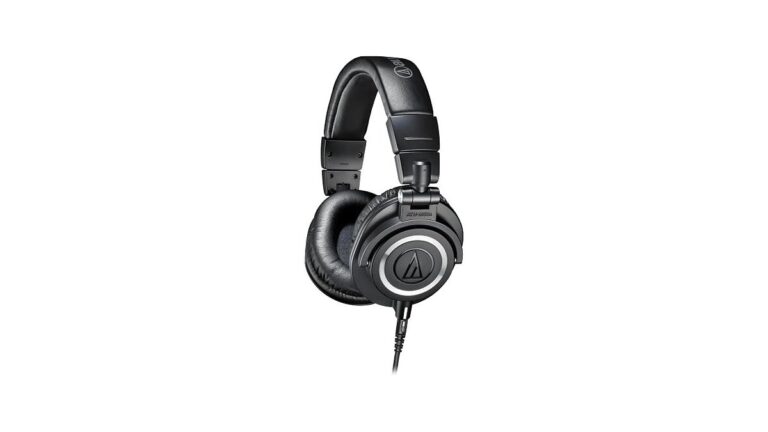
These monitor headphones are tuned for enhanced low-frequency performance. The circumaural design contours around your ears, which creates excellent sound isolation in loud environments. The single-side cable exit is a smart feature that keeps the cord out of your way while you work.
The internal 40 mm drivers utilize rare earth magnets and copper-clad aluminum wire voice coils. Use these if your primary goal is accurate monitoring during tracking or mixing.
This model is focused on performance rather than extra features like built-in microphones or remotes. If you need a headset for taking phone calls or controlling volume on the fly, this design won’t suit your daily workflow. The lack of in-line controls means you must adjust levels directly through your interface or computer software.
Pros
- Excellent sound isolation.
- Convenient single-side cable.
- Tuned for low frequencies.
- Professional build quality.
Cons
- Lacks in-line controls.
- No integrated microphone for communication.
4. EarPods Headphones with 3.5mm Plug
Best for: Daily use with Apple devices.
The design of these earbuds is based on ear geometry, which makes them feel more comfortable for more people than standard circular buds. They include a built-in remote and microphone, letting you handle calls or adjust volume without reaching for your phone.
Because they rely on a 3.5mm plug, they work with any device that has a matching jack. If your primary listening environment is very loud, the open design may not provide enough isolation to block out ambient noise effectively.
If you struggle with traditional buds falling out, the geometry-based shape offers a more stable fit for a wider range of ear types. When using the remote, remember to use a quick pinch of the cord to navigate your music or end calls instantly.
The speakers are engineered specifically to minimize sound loss, ensuring high-quality output. However, if you’re using them in a crowded office or on a commute, expect to hear your surroundings clearly due to their open-back nature. If you need total silence, these aren’t the right choice.
Pros
- Comfortable ergonomic shape.
- Easy in-line volume control.
- Integrated microphone for calls.
Cons
- Limited noise isolation.
5. MDRZX110NC Noise Canceling On Ear Headphones
Best for: Travelers needing active noise cancellation.
This model features integrated noise-canceling technology to help quiet your surroundings. It’s built to be lightweight, making it easy to carry for long periods. You get a swivel and folding design that saves space in your luggage.
The unit requires battery power for the noise-canceling feature to work, though it offers up to 80 hours of life. If you don’t want to manage batteries for your headphones, this specific model might feel like extra maintenance compared to passive designs.
If your primary goal is portability, the 3.94 ft Y-shaped cord provides enough slack for business use without becoming a tangled mess in your bag. The dynamic 1.18 in drivers deliver consistent audio performance for personal listening.
Be aware that the noise cancellation is tied strictly to the battery. If the power dies, you lose the active isolation, though the headphones still function as standard wired gear. Check your battery levels before long flights to avoid losing the quiet you paid for. If you prefer a set-and-forget experience, look for passive models instead.
Pros
- Built-in noise cancellation.
- Lightweight and portable.
- Long battery life.
Cons
- Requires battery power.
6. JBL Tune 500
Best for: Bass-heavy audio fans.
These on-ear headphones feature the signature JBL Pure Bass sound, replicating the low-end performance found in famous venues worldwide. The durable, flat cable stays tangle-free, which is essential if you’re constantly pulling them out of a bag or pocket. You can also trigger voice assistants like Siri or Google Now with a single button on the remote.
If the headband feels too tight, place the headphones over a ball or similar object for at least 24 hours. If the pressure remains, repeat this process until the fit improves. You should also experiment with the length adjustments on each earpiece until both sides sit comfortably.
If you prefer an over-ear fit that completely encloses the ear, this on-ear style may feel less secure or cause discomfort during long sessions. Use the foldable design to keep them compact when traveling.
Pros
- Tangle-free flat cable.
- Built-in voice assistant access.
- Lightweight and foldable.
Cons
- On-ear fit can be tight.
- Requires manual adjustment for comfort.
7. Sony MDR-ZX110
Best for: Compact travel and portability.
These headphones feature 1.38-inch neodymium dynamic drivers that provide a wide frequency range, spanning 12 Hz to 22 kHz. This range ensures you hear deep bass, rich midrange, and soaring highs. The swiveling earcup design makes them easy to store in a bag when you’re on the move.
The cushioned ear pads help seal in sound and provide comfort during extended use. If you’re traveling, the closed-back design is a major benefit because it keeps your music contained. However, if you need to block out loud ambient noise in a busy office, these may not provide the isolation of active noise-canceling models.
The cable is 3.94 feet long with an L-shaped 3.5mm plug. This length is ideal for mobile devices in your pocket, but it will feel restrictive if you’re connecting to a desktop computer tower located under a desk. Use these if you prioritize a lightweight, rhythmic response for your commute. Skip them if you require a long cord for stationary setups.
Pros
- Very portable swiveling design.
- Comfortable cushioned ear pads.
- Wide frequency response.
Cons
- Short cable for desktops.
- Passive noise isolation only.
8. Riff On-Ear Wired Headphones with 3.5mm AUX Plug
Best for: Commuters who prioritize durability and direct connectivity over wireless complexity.
The Riff utilizes a 3.5mm AUX plug, ensuring a stable, direct connection every time you plug in. This eliminates the need for charging or pairing, making them a reliable choice for daily travel.
Its lightweight, on-ear construction remains comfortable during extended periods of wear. When you reach your destination, the flat-folding, collapsible design allows you to tuck the headphones into a bag without sacrificing structural integrity.
Integrated controls let you manage your media and communication seamlessly. You can pause music, skip tracks, or take calls directly from your mobile device using the built-in microphone.
If you require high-fidelity studio monitoring for professional mixing, these aren’t the right tool. They’re engineered for portability and daily utility rather than clinical sound reproduction. Should any manufacturing defects arise, your purchase is protected by a 1-year USA limited warranty.
Pros
- Durable headband construction.
- Built-in mic and controls.
- Folds flat for travel.
Cons
- Not for studio mixing.
9. MDREX15AP In-Ear Earbud Headphones with Mic
Best for: Secure in-ear fit.
These earbuds use hybrid silicone tips to provide a snug fit in the ear canal. You get small, medium, and large sizes included in the box to help you find the best seal. The Y-type cord includes a slider to prevent tangles.
If you don’t wear them properly, you may lose out on the intended bass response and call clarity. You must experiment with all three included sizes to ensure the tips match your ear canals. If the sound remains thin or the microphone performance drops, the seal is likely too loose. Switch to a larger size to create the necessary vacuum for the 9 mm dome drivers to deliver their full range of treble and powerful bass.
These are best for listeners who prefer the compact nature of in-ear buds over larger over-ear models.
Pros
- Multiple ear tip sizes.
- Tangle-preventing cord slider.
- Snug in-ear fit.
Cons
- Requires precise fitment.
- Performance relies entirely on the quality of the physical seal.
10. Jib Wired Earbuds with 3.5mm AUX Plug
Best for: Simple, plug-and-play audio.
The Jib earbuds are designed to be as simple as possible. They include two different-sized ear gels to help you get a comfortable, noise-isolating fit. You can easily switch between your music and phone calls using the in-line microphone.
Because they’re so simple, they lack some of the advanced driver tech found in higher-end models. They’re a straightforward solution for anyone who wants to plug in and go without dealing with complex settings.
If you use a device with a standard 3.5mm AUX port, these earbuds provide a direct, reliable connection. This eliminates the need for charging batteries or managing Bluetooth pairing menus. If your phone lacks a headphone jack, you’ll need a separate adapter to use these.
Testing both included ear gel sizes helps create a proper seal. A poor seal allows outside noise to leak in, which reduces sound quality. Every pair comes with a 1-year USA limited warranty, protecting your purchase against defects.
Pros
- Very easy to use.
- Includes two ear gel sizes.
- In-line mic for calls.
Cons
- Basic driver features.
How to Choose in Sixty Seconds
Which type of ear fit is best for my lifestyle?
Choose based on where you spend most of your time. If you commute, look for on-ear or in-ear models like the JBL Tune 500 or Sony MDREX15AP, as they’re lightweight and easy to store. If you’re mixing audio or working at a desk, an over-ear model like the Sony MDR7506 or Audio-Technica ATH-M20x is better because they provide better isolation and comfort for long periods. Avoid open-back designs if you’re in a public space, as they leak sound to those around you. Always confirm the cable length meets your needs, especially if you’re connecting to a computer tower under your desk.
Do I really need a microphone and remote?
You should prioritize a microphone and remote if you plan to use your headphones for phone calls or FaceTime, or if you want to control your music without pulling out your device. Models like the Apple EarPods or Skullcandy Jib include these features specifically for mobile convenience. However, if you’re buying headphones strictly for studio monitoring or high-fidelity music listening, you might prefer a model without these additions. Extra controls can sometimes add points of failure to the cable, so professional-grade headphones often skip them to keep the signal path as clean as possible.
What should I check before ordering?
Always confirm the connector type and cable length. Most wired headphones use a standard 3.5mm jack, but some professional models, like the Sennheiser HD 599SE, include a larger 6.3mm adapter. If you’re plugging into a phone, ensure you have the correct adapter if your device lacks a headphone port. Check the cable configuration as well; a single-side exit is usually less prone to tangling than a Y-shaped cord. Finally, read the manufacturer’s notes on fitting; for in-ear models, the quality of sound depends entirely on getting a tight seal in your ear canal.
The Sony MDR7506 remains a top pick for its reliable studio performance and durability, while the Sennheiser HD 599SE is the go-to for a natural, open-back listening experience at home. Before you finalize your choice, double-check your device’s connection port to see if you need an adapter. If you’re buying these for daily travel, focus on models that fold or have tangle-free cables to make your commute easier. Once you have narrowed it down to your preferred fit, check the provided cable length one last time to ensure it reaches your audio source comfortably.
Frequently Asked Questions
Is the simplest headphone on the list enough?
Simpler models like the Skullcandy Jib are sufficient for daily tasks. They provide basic audio playback and call handling through a standard 3.5mm connection. Note that these models lack the frequency response and specialized driver technology found in professional-grade headphones.
What goes wrong first with wired headphones?
The cable is typically the first part to experience wear. Models with detachable cables, like the Sennheiser HD 599SE, are easier to maintain because you can simply replace the cable if it fails. If your model has a fixed cable, using a protective case when you store them will help prevent unnecessary damage to the wire.
What does owning these headphones ask of the buyer?
Wired headphones require minimal maintenance beyond proper storage and cable care. You never need to charge them, but you must avoid straining the cord. For models with silicone tips, clean them occasionally to maintain a good seal and hygiene.
Do these headphones work with all my devices?
These headphones work with any device featuring a 3.5mm headphone jack. Some models include a 6.3mm plug for high-end audio equipment. If your device lacks a headphone port, you will need a separate adapter to use these wired options.
Conclusion
Once you’ve narrowed down your preferences, head to a local shop to test a few pairs in person. Don’t worry if you can’t decide right away; listening to your favorite songs on different models will reveal what sounds best to your ears. You’ll find the perfect match before you know it.