Choosing the right studio headphones means balancing sound accuracy with your specific work environment. While some models prioritize deep isolation for tracking, others offer an open-back design to help with mixing and depth. The main differences come down to comfort for long sessions, cable features, and how they handle outside sound.
Best overall: Sony MDR7506, which provides a reliable, industry-standard sound profile with a rugged, foldable design that fits into any professional or home setup for consistent daily monitoring and recording tasks.
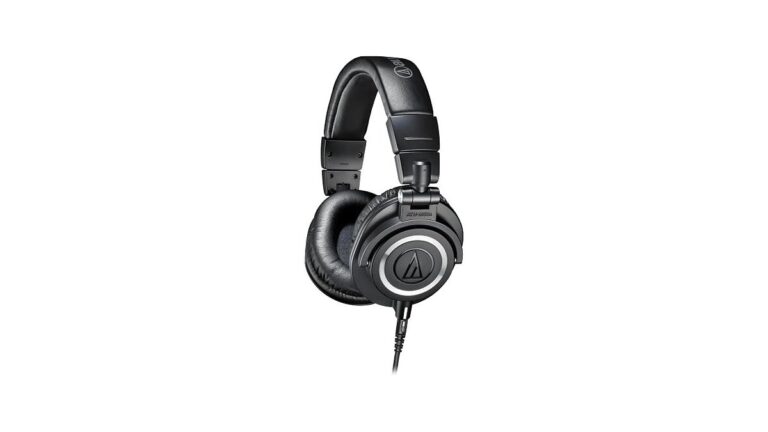
Best for critical listening: Audio-Technica ATH-M50x, offering exceptional clarity through large drivers and swiveling earcups that allow for easy one-ear monitoring, making them a top choice for engineers who need precise, detailed, and accurate audio reproduction.
Best for isolation: Sennheiser HD 280 Pro, which uses a closed-ear design to block out up to 32 dB of outside noise, ensuring you can focus on your work even in busy or loud recording environments.
This guide is for creators, musicians, and students who need reliable audio tools without the fluff.
How We Picked
We compared 16 different studio headphone listings to find the best options for various needs. To earn a spot here, a product had to provide clear technical specifications, such as frequency response or driver size, and explicitly state its intended use in a professional or home studio setting. We excluded any products that lacked essential details about their build, connectivity, or design features. Our focus remained on the manufacturer’s stated capabilities and the practical trade-offs each design offers to ensure you get a tool suited for your specific workflow.
All 10 products side by side — scroll sideways to see every column.
| Top Pick | Runner-Up | Best for Isolation | Best for Mixing | Best for Bass Response | Best for Ambient Listening | Best for Wireless Use | Best for Compact Travel | Best for Gaming | Best for Cable Flexibility | |
| Preview |  |  |  |  |  |  |  |  |  |  |
|---|---|---|---|---|---|---|---|---|---|---|
| Product | Sony MDR7506 | Audio-Technica ATH-M50x | Sennheiser HD 280 Pro | beyerdynamic DT 990 Pro | Audio-Technica ATH-M20x | Samson SR850 | OneOdio A70 | TASCAM TH-02 | FiiO JT1 | FIFINE HD8 |
| Brand | Sony | Audio-Technica | Sennheiser | beyerdynamic | Audio-Technica | SAMSON | OneOdio | Tascam | FiiO | FIFINE |
| Best for | Best Overall | Runner-Up | Best for Isolation | Best for Mixing | Best for Bass Response | Best for Ambient Listening | Best for Wireless Use | Best for Compact Travel | Best for Gaming | Best for Cable Flexibility |
| The listing says | 40 millimeter drivers with neodymium magnets Closed ear design reduces external noise | 45 millimeter drivers with rare earth magnets Extended frequency range with accurate bass | Closed ear with 32 dB sound attenuation 3.3 to 9.8 feet coiled cord | 250-ohm studio impedance Open-back design for natural stereo image | 40 mm drivers with rare earth magnets Tuned for enhanced low-frequency performance | Semi-open design for ambient listening 50mm drivers with wide dynamic range | 72 hours wireless playtime 40mm neodymium drivers | Foldable design for compact transport Padded headband and ear pads | 50mm high-performance dynamic driver N52 magnets and CCAW voice coil | 50mm drivers with 20Hz 20kHz range Adjustable headband and 265g weight |
| More information | Check Price on Amazon | Check Price on Amazon | Check Price on Amazon | Check Price on Amazon | Check Price on Amazon | Check Price on Amazon | Check Price on Amazon | Check Price on Amazon | Check Price on Amazon | Check Price on Amazon |
1. Sony MDR7506 Professional Large Diaphragm Headphone
Best for: Professional studio monitoring and tracking.
These headphones feature 40mm drivers and neodymium magnets that deliver a detailed sound profile. The closed-ear design is highly effective at reducing external noise, which helps you stay focused on your mix. Since the 9.8-foot cord isn’t detachable, you’ll need to manage the length carefully when moving around your workspace.
The rugged construction is built for daily use, and the headphones fold up easily for transport in the provided soft case. They’re well-suited for anyone who needs a reliable, standard tool for both home and professional audio systems.
If you work in a studio environment where you frequently move between consoles, the fixed 9.8-foot cable acts as a tether. You should choose these if you value a consistent, wired connection for tracking. However, those who require a removable cable for easier replacement or storage might find the fixed wire limiting. If you damage the cord, you can’t simply swap it out, which is a common mistake for users expecting modular gear.
Pros
- Rugged, foldable construction for travel.
- Excellent reduction of external noises.
- Includes 1/4 inch adapter plug.
Cons
- The cord isn’t detachable.
2. Audio-Technica ATH-M50X Professional Studio Monitor Headphones
Best for: Critical listening and professional monitoring.
These headphones use 45mm large aperture drivers to deliver deep, accurate bass and high clarity. The circumaural design contours around your ears to provide solid isolation, which is helpful in loud environments. The 90-degree swiveling earcups are a standout feature for pros who need to monitor with just one ear while recording.
The detachable cable system adds a layer of durability, as you can replace the cord if it wears out. These are ideal for audio engineers and reviewers who demand an extended frequency range. If you wear glasses, the professional-grade headband and pads might feel tight during long sessions. You should test the fit for at least an hour to ensure the pressure remains comfortable for your specific head shape.
If you prioritize sound accuracy over plush comfort, these are the industry standard for your desk. However, if you have smaller ears, the rigid contouring may cause fatigue.
Pros
- Detachable cable for increased durability.
- 90-degree swiveling earcups for monitoring.
- Critically acclaimed, accurate sound performance.
Cons
- Headband fit may be tight.
3. Sennheiser HD 280 Pro Closed-Back Studio and Live Monitoring Headphones
Best for: Maximum noise isolation.
The Sennheiser HD 280 Pro is built for environments where you need to block out the world. With up to 32 dB of attenuation, these headphones excel at keeping outside sound from bleeding into your recordings. If you’re tracking in a loud room, this isolation is your primary defense against background noise.
The design prioritizes longevity through modularity. The earpads, headband padding, and audio cord are all easily replaceable. If you notice the padding wearing thin or the cable fraying, swap those specific parts rather than discarding the entire unit. This simple maintenance routine prevents the premature failure common with sealed-unit headphones.
These are lightweight and ergonomic, making them a reliable fit for marathon sessions. The coiled cable stretches from 3.3 to 9.8 feet, providing flexibility without creating excess slack on your desk. Use the shorter length for close-proximity work to avoid tangles, and expand it only when you need to move across the studio.
These aren’t the best choice if you prioritize a wide, open-air soundstage. The closed-back design focuses on isolation rather than spatial depth, which can feel intimate or claustrophobic depending on your preference.
Pros
- High 32 dB sound attenuation.
- Easily replaceable parts extend life.
- Comfortable, ergonomic, lightweight design.
Cons
- Closed-back limits the soundstage.
4. beyerdynamic DT 990 Pro (250 Ohm)
Best for: Mixing and mastering.
The open-back design of these headphones creates a wide, natural stereo image that helps you hear depth and placement in your mix. They use a spring-steel headband and soft, replaceable velour ear pads, which are designed to stay comfortable during long mixing sessions.
Because these are 250-ohm studio headphones, they require a dedicated headphone amp or audio interface to reach their full volume potential. Don’t attempt to drive them directly from a phone or standard laptop jack. If you try to power them with a mobile device, the audio will sound thin and quiet, failing to provide the clarity needed for professional work.
These are a classic choice for studios, but they aren’t ideal for use on the go. The open-back construction allows sound to leak out, which creates distractions in public spaces and ruins your isolation. If you need a portable pair for travel, look elsewhere. Otherwise, these German-made headphones remain a trusted reference for creating honest mixes that translate well to other systems.
Pros
- Wide, natural stereo sound image.
- Comfortable, replaceable velour ear pads.
- Reliable, long-trusted studio reference design.
Cons
- Requires an external amp for adequate volume.
- Fixed 3m cable limits portability.
5. Audio-Technica ATH-M20x Professional Studio Monitor Headphones
Best for: Entry-level studio monitoring.
These headphones are tuned for enhanced low-frequency performance, which is helpful when you need to monitor bass levels in a mix. The single-side cable exit helps prevent tangles, making your workspace feel a bit cleaner during long recording sessions. They offer solid build quality for those just starting their studio journey.
The circumaural design helps with sound isolation in noisy rooms. Because they focus on specific frequency tuning, they may not offer the same neutral, flat response as specialized reference monitor models. The listing does not mention if these are suitable for final mastering.
If you’re tracking instruments, the 40 mm drivers with rare earth magnets provide the necessary power to hear your input clearly. However, if you’re mixing delicate acoustic tracks, be aware that the bass emphasis might mask subtle midrange details. Use these for initial recording and tracking where isolation is your priority. If your primary task is critical, clinical mixing, look for a model with a flatter frequency curve.
Pros
- Convenient single-side cable exit.
- Good isolation for louder environments.
- Sturdy build for entry-level use.
Cons
- Tuned for specific bass response.
6. Samson SR850 Professional Studio Reference Headphones
The semi-open design of the Samson SR850 bridges the gap between an expansive soundstage and necessary isolation. By allowing some ambient noise to enter, these headphones prevent the claustrophobic pressure often felt with closed-back monitors.
With 50mm drivers, they handle a broad frequency response from 10Hz to 30kHz. This wide dynamic range ensures that subtle details in your mix remain audible. The self-adjusting headband eliminates the need for manual clicks or sizing, instantly conforming to your head shape for consistent pressure.
If you’re tracking vocals near a sensitive microphone, choose a fully closed-back set instead. The SR850’s semi-open nature will cause bleed that ruins clean takes. However, for mixing or critical listening where you need a natural, airy sound, these are a reliable choice.
The 32-ohm impedance makes them easy to drive from standard laptop or interface jacks without needing an external amplifier. Use the included gold-plated 1/4-inch adapter to switch between mobile devices and professional studio consoles.
Pros
- Large 50mm drivers for range.
- Comfortable self-adjusting headband.
- Wide dynamic sound reproduction.
Cons
- Semi-open design leaks sound.
7. OneOdio A70 Bluetooth Over-Ear Headphones
Best for: Hybrid wireless and wired use.
These headphones stand out for their dual-mode capability, offering wireless freedom and a wired connection that never runs out of power. You get up to 72 hours of playtime in wireless mode. When the battery dies, switch to the included 3.5mm or 6.35mm cables to keep listening indefinitely.
The unique audio-sharing feature allows multiple people to connect to the same device. To use this, connect your main pair to the source, then daisy-chain a second set of headphones into the 6.35mm jack. This is ideal for collaborative editing or watching videos together.
The memory cotton and protein leather pads provide a comfortable fit for long-term wear. The wired jack lock system ensures your connection stays stable during active use. You can trust the plug to stay seated even if you move around.
These aren’t for the purist who wants a purely analog, professional-only monitor, as the focus here is on versatility. If you prioritize a simple, wired-only workflow, the extra Bluetooth hardware may feel like unnecessary weight.
Pros
- Dual wireless and wired modes.
- Unique audio sharing feature included.
- Comfortable memory cotton ear pads.
Cons
- Includes features not needed for strictly wired work.
8. TASCAM TH-02 Professional Studio Monitor Headphones
Best for: Lightweight, portable monitoring.
The TASCAM TH-02 is a compact, foldable option that’s easy to transport between different locations. The closed-back design delivers clean sound with crisp highs and rich bass, making them a versatile choice for recording, podcasting, or casual music listening. They feature a tightly-stitched, padded headband and ear pads that add to the overall comfort during longer sessions.
These are simple, effective monitors for beginners who need a reliable pair for multiple tasks. You can use the included snap-on 1/8-inch to 1/4-inch adapter to switch between mobile devices and studio interfaces instantly.
Because they’re designed to be lightweight and portable, they may not feel as robust as heavier, professional-grade studio gear. If you prioritize portability for field recording or travel, these are an excellent fit. If you require a heavy-duty, long-term studio workhorse that stays on a desk, you should look for a sturdier build.
Pros
- Foldable, compact design for transport.
- Clean sound with rich bass.
- Padded headband and ear pads for comfort.
- Includes 1/4-inch adapter.
Cons
- Lightweight build is less robust.
9. FiiO JadeAudio JT1 Professional Studio Headphones
Best for: Gaming and voice communication.
The FiiO JT1 combines high-performance 50mm dynamic drivers with a design that’s easy to drive, even from low-power devices. Its 32Ω impedance ensures you get full sound performance without needing a dedicated amplifier. It includes a microphone and remote, making it a strong choice for users who need to switch between editing, monitoring, and voice chat. The adaptive headband and soft ear cushions provide a comfortable fit for extended wear.
The wide sound field is suitable for listening to various music genres, including vocals and pop. Because this model includes a microphone and remote, it’s specifically designed for people who need communication features. If you require a sterile, microphone-free environment for professional mixing, look elsewhere. The integrated hardware is optimized for convenience rather than pure studio isolation.
If your primary focus is gaming or remote collaboration, the composite diaphragm—made of PEK, PU, and aluminum foil—delivers low distortion during intense sessions. However, if you’re an audiophile seeking a dedicated, microphone-free studio monitor for critical mastering, this headset’s multi-purpose design may introduce unnecessary complexity.
Pros
- Includes microphone and remote control.
- Easy to drive with low power.
- Wide and accurate sound field.
Cons
- Microphone may not suit every studio setup.
10. FIFINE HD8 Wired Studio Monitor Headphone
Best for: Detachable cable flexibility.
The FIFINE HD8 features two 9.8ft detachable coiled cables, which makes connecting to different interfaces or mixers very easy. You can switch between 3.5mm and 6.35mm jacks without needing extra adapters. If you find your cables frequently snagging or wearing out, this modular design allows you to replace the cord rather than the entire headset.
The 50mm drivers deliver a balanced sound with stable mids and accurate treble, which is useful for DJing or vocal monitoring. The 265g weight helps keep the headphones comfortable during long creation marathons. Because the headband adjusts without a break-in period, you get a secure fit immediately.
The closed-back design provides good isolation from high-frequency noise, helping you focus on your work. This is a great choice for someone who moves between devices and wants the convenience of a detachable cable system. If you prefer a lighter, minimalist design, these might feel slightly larger than you expect. Check that your workspace has room for the 9.8ft cord length, as the coiled design is built for reach rather than portability.
Pros
- Two detachable coiled cables included.
- Balanced sound for mixing and monitoring.
- Comfortable, lightweight for long sessions.
Cons
- Slightly larger build profile.
How to Choose in Sixty Seconds
Which type of design is best for my studio?
Decide based on your main task. If you’re recording vocals or instruments, a closed-back headphone like the Sony MDR7506 is vital to prevent sound leakage from reaching your microphone. If you’re doing most of your work in mixing or mastering, an open-back model like the beyerdynamic DT 990 Pro offers a wider, more natural stereo image that helps with spatial depth. The International Electrotechnical Commission provides standards for audio equipment that help define these performance categories. Think about whether you prioritize isolation or spatial accuracy, as you can’t get both in one pair of headphones.
Do I need to worry about impedance?
Yes, especially if you’re looking at professional models. Impedance is measured in ohms, and it determines how much power your device needs to drive the headphones to a clear volume. A low-impedance model like the Samson SR850 or FiiO JT1 will work well with phones or standard audio interfaces. However, high-impedance headphones like the 250-ohm beyerdynamic DT 990 Pro need a dedicated amplifier. If you plug high-impedance headphones into a weak source, the volume will be quiet and the sound quality will suffer. Always confirm your audio interface’s power output before choosing a high-impedance pair.
Is a detachable cable really that important?
A detachable cable is a major factor for long-term reliability. Cables are usually the first thing to break on any pair of headphones. A model with a detachable system, such as the Audio-Technica ATH-M50x or FIFINE HD8, allows you to swap a damaged cord for a new one without needing to buy a whole new set of headphones. If you’re hard on your gear or work in a busy studio, this feature allows for quick repairs. If you choose a fixed-cable model, treat the wire with extra care to avoid sharp bends or tension at the connection point.
The Sony MDR7506 remains our top pick for its consistency and industry-standard reliability in almost any recording environment. For those who need more versatility with their cables or specific monitoring needs, the Audio-Technica ATH-M50x is an excellent second choice. Before you order, verify the connection type of your primary recording interface to ensure it matches the plug size or requires an adapter. Most studio monitors come with the necessary hardware to connect to professional audio interfaces, but double-checking your specific setup will ensure you’re ready to start recording as soon as the package arrives.
Frequently Asked Questions
What does the frequency response range tell me?
The frequency response range defines the span of sounds headphones can reproduce, from low bass to high treble. Most studio models cover the standard 20Hz to 20kHz range, though some offer wider ranges for increased detail. A wider range does not guarantee better sound, but it indicates driver capability.
Do these headphones require special maintenance?
Proper maintenance ensures your studio headphones last for years. Regularly wipe down ear pads after sessions to remove sweat and debris. For models like the Sennheiser HD 280 Pro, you can replace the ear pads and headband padding once they wear out to extend the product’s lifespan.
What is the most common point of failure?
Cable and hinge issues are the most common points of failure for studio headphones. Choosing a model with a detachable cable, like the FIFINE HD8, eliminates the risk of permanent cable damage. For hinges, models featuring metal or reinforced components typically offer greater structural durability.
Is the simplest model on the list enough for professional work?
Entry-level options like the Audio-Technica ATH-M20x are fully capable of professional-grade monitoring. These models provide clear, accurate sound for tracking and editing. The primary differences between these and professional-tier headphones are the build materials, the availability of replaceable parts, and the level of sound isolation.
Conclusion
Finding your perfect pair shouldn’t feel like a chore. Once you’ve picked a model that fits your ears and your budget, spend a few days testing them with music you already know by heart. You’ll quickly hear details you’ve missed before, and you won’t look back once you’ve made the switch.