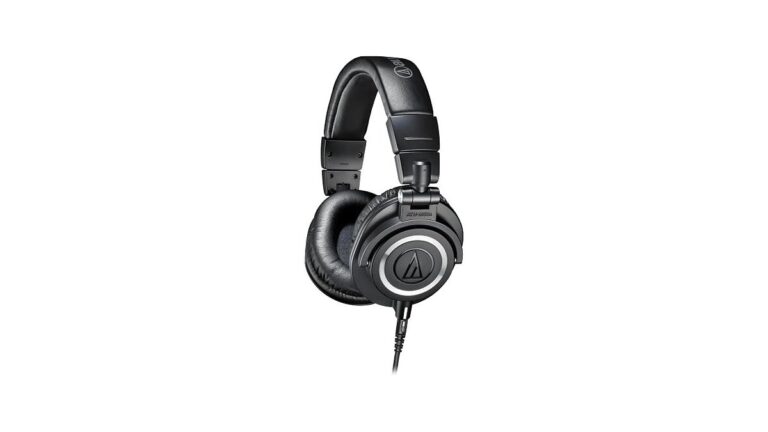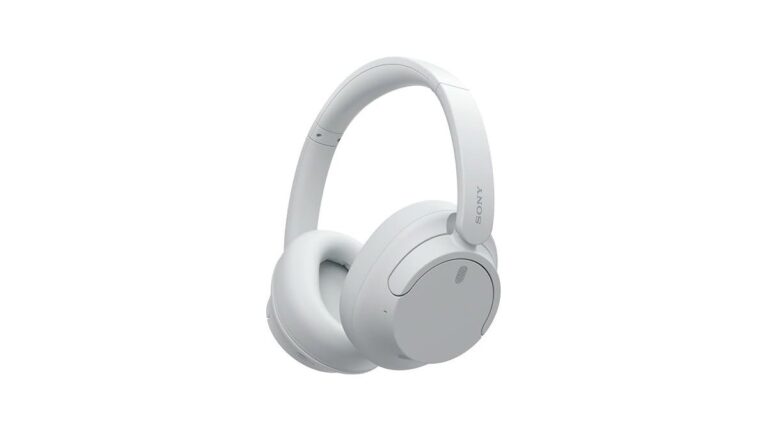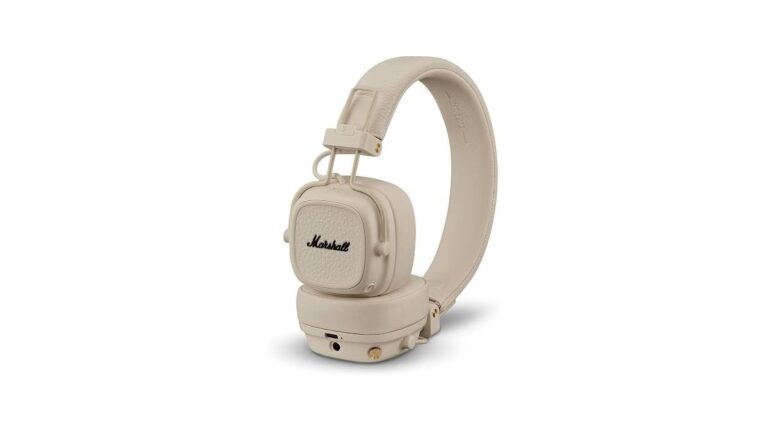
Selecting headphones for autistic kids requires matching their sensory needs to specific levels of protection, such as passive earmuffs like the Dr.meter or versatile headsets like the iClever Q950. These products differ primarily in their sound handling, durability, and electronic features like Bluetooth connectivity.
All 10 products side by side — scroll sideways to see every column.
| Top Pick | Best for Active Children | Best for Music | Best for Travel | |||||||
| Preview |  |  |  |  |  |  |  |  |  |  |
|---|---|---|---|---|---|---|---|---|---|---|
| Product | Dr.meter Noise Cancelling Headphones | Alpine Muffy Kids | Puro Sound Labs BT2200 | iClever BTH20 ANC | ZOHAN EM030 Kids | Muted Autism Headphones | JBL Junior 470NC | PROHEAR 032 Kids | Belkin SoundForm Kids | iClever Q950 |
| Brand | Dr.meter | Alpine Hearing Protection | Puro Sound Labs | iClever | ZOHAN | Muted | JBL | PROHEAR | Belkin | iClever |
| Best for | Top Pick | Best for Active Children | Best for Music | Best for Travel | — | — | — | — | — | — |
| The listing says | PU leather and ABS construction Memory foam padding for comfort | Silicone-free lightweight material Prevents hearing damage | 85dB volume limiting technology Balanced response curve audio | Maximum 40dB noise reduction BPA and PVC free materials | Silicone-free lightweight material Metal-free design for safety | 27dB NRR passive noise cancelling Cushioned ear cups and headband | JBL Safe Sound under 85dB Customizable volume and playtime | Durable ABS shell construction Fits children aged 3 to 12 | Active noise cancellation technology 60 hours of wireless playtime | TÜV Rheinland hearing care certified 35dB hybrid active noise cancellation |
| More information | Buy on Amazon | Buy on Amazon | Buy on Amazon | Buy on Amazon | Buy on Amazon | Buy on Amazon | Buy on Amazon | Buy on Amazon | Buy on Amazon | Buy on Amazon |
1. Dr.meter Noise Cancelling Headphones
Best for: A child who needs reliable, battery-free protection in loud public spaces.
These earmuffs are designed for passive noise reduction, meaning they rely on physical materials rather than electronics to dampen sound. They use ABS shells and multi-layer foam to reach a 27.4 dB SNR, which helps filter out harsh noise while still letting your child hear voices. This is ideal for sensory-sensitive children who need a consistent, simple tool that never requires charging or pairing.
The headband is adjustable, and the listing suggests using the packaging or a soccer ball to stretch it if it feels too tight for the first use. Because they’re foldable, they fit easily into a backpack for school or outings. They aren’t for a child who specifically wants to listen to music or digital audio, as these don’t have speakers or electronics.
Good if:
- You want a device that requires zero batteries.
- Your child needs to stay calm during fireworks or parades.
- You need a compact design for daily school use.
Skip it if:
- Your child wants to listen to music or watch videos.
- You need active electronic noise cancellation.
2. Alpine Muffy Kids Ear Protection Ear Muffs
Best for: Young, active children who need a lightweight, comfortable sensory aid.
Alpine Muffy Kids earmuffs prioritize a lightweight, soft construction. This design helps children who typically struggle to keep heavier, bulky headphones on their heads. By reducing environmental noise, these earmuffs prevent permanent hearing damage during loud events like concerts, parades, fireworks, or air shows.
The materials are silicone-free and easy to clean, a vital detail for parents managing daily wear. The adjustable headband creates a snug fit, specifically engineered for children between 3 and 16 years old. If your child is younger than three, these won’t provide the necessary seal and you must choose a smaller alternative.
These earmuffs also serve as a sensory tool for children with autism. The noise reduction helps manage sensory overload and external triggers that cause distress in loud environments. Because the design is tested and certified, parents can trust the protection level provided during high-decibel activities.
Good if:
- Your child is sensitive to the weight of traditional earmuffs.
- You need something easy to wipe clean after daily use.
- Your child is aged 3 to 16 years.
Skip it if:
- Your child is under 3 years old.
- You want integrated Bluetooth audio features.
- You need active noise cancellation rather than passive sound reduction.
3. Puro Sound Labs BT2200
Best for: A child who loves music and needs safe, volume-limited audio.
The BT2200 is a wireless headset that prioritizes hearing health by limiting volume to 85 dB. This is a key feature for parents who want to allow their children to enjoy games or music without worrying about accidental volume spikes. The balanced response curve is designed to provide clear sound even at these safer levels.
These headphones offer both wireless Bluetooth and a wired 3.5mm connection, giving you options depending on the device your child is using. You get up to 20 hours of wireless playtime on a single charge. If the battery dies, the included 3.5mm cable ensures listening never has to stop.
The earpads are rotatable and adjustable, designed for long-term comfort during school work or travel. You can even switch between on-ear and over-ear cushions for a personalized fit. If your child needs total silence, note that these function primarily as audio headphones rather than dedicated noise-reduction earmuffs.
The inclusion of a hard travel case and a daisy chain cable—which allows two children to listen to one device simultaneously—makes these a versatile choice for families on the move.
Good if:
- Your child wants to listen to music or audiobooks.
- You want a volume-limited device to protect their hearing.
- You need both wireless and wired connection options.
Skip it if:
- You need heavy-duty passive noise reduction for loud events.
- Your child prefers a strictly over-ear, non-electronic design.
4. iClever BTH20 Active Noise Cancelling Headphones
Best for: Older children who need active noise cancellation for travel and focus.
These headphones feature active noise cancellation (ANC), which electronically reduces ambient sounds like engine drone or mechanical noise. The dual modes allow you to choose between higher or lower pressure, which is helpful for children sensitive to the feeling of ANC. If your child finds the pressure of high-mode ANC uncomfortable, switch to the low-pressure setting to retain some noise reduction without the ear-clogging sensation.
Durability is a highlight here, as the headphones are made from BPA and PVC-free materials designed to withstand drops and bends. The reinforced internal structure is designed to prevent button wear and sound loss on one side. The battery life is substantial, offering 60 hours of playtime with ANC off or 35 hours with it engaged. If you run low on power, a 10-minute quick charge provides 5 hours of use.
Note that ANC functionality isn’t available when using the wired connection, so you must rely on Bluetooth for the noise-canceling feature. If you use the 3.5mm cable, the headphones function as standard passive-only audio devices.
Good if:
- Your child needs to block out background noise for focus.
- You want long battery life for long-distance travel.
- You prefer durable, drop-resistant materials.
Skip it if:
- You only need passive protection for very loud events.
- You want ANC to work while using a wired cable.
5. ZOHAN EM030 Kids Ear Protection
Best for: Parents looking for a comfortable, metal-free earmuff design.
The ZOHAN EM030 is designed specifically for children who have sensory issues and need a reliable, over-ear solution. A notable feature is the absence of metal parts, which helps reduce the risk of accidental injury and makes the unit lighter. With an NRR of 25 dB, they’re effective at reducing noise from monster truck rallies or concerts to more manageable levels.
The fit is designed to accommodate toddlers up to young teens, making these a versatile choice for growing children. The listing notes that these do not block all sound, allowing for some environmental awareness.
Good if:
- You want a completely metal-free, lightweight design.
- Your child needs a comfortable, over-ear fit for sensory relief.
- You want a product that allows for some environmental awareness.
Skip it if:
- You need a device that provides high-fidelity audio playback.
- Your child requires a higher noise reduction rating than 25 dB.
6. Muted Autism Headphones
Best for: Children who are picky about style and need a variety of options.
Muted focuses on making sensory headphones “cool” by offering 8 different colors and patterns. For many autistic children, the willingness to wear a device is half the battle, and letting them choose their own style can significantly increase usage. These are passive earmuffs, meaning they work immediately without any buttons, batteries, or pairing processes.
They provide 27 dB NRR, which is standard for passive noise reduction in classrooms or loud public spaces. The headband is adjustable to grow with your child, and the folding design makes them easy to pack into a school bag. They aren’t intended for children who want to listen to music, as they contain no electronic components.
If your child struggles with sensory input during haircuts, fireworks, or grocery store trips, these headphones offer a reliable barrier. Because they lack wires or scratchy tags, they remain comfortable for hours of continuous wear.
Check your child’s current comfort level with pressure before purchase. If they refuse most headwear, the gentle, low-pressure headband is designed specifically to prevent the common rejection of tighter sensory gear.
Good if:
- Your child is picky about how their headphones look.
- You need a simple, reliable, passive noise-reducing device.
- You want something that folds down for easy portability.
Skip it if:
- Your child wants to listen to digital audio or music.
- You prefer active noise cancellation for high-frequency sounds.
7. JBL Junior 470NC
Best for: Parents who want granular control over their child’s listening habits.
The JBL Junior 470NC offers advanced parental controls through the JBL Headphones app. You can set a maximum volume limit, monitor daily or weekly usage, and even set a PIN to lock these settings. This is ideal for parents who need to ensure their child isn’t listening to audio that’s too loud or for too long.
The active noise cancellation helps block out distractions, allowing the child to keep the volume lower while still hearing their media clearly. Because these are wireless, they’re great for travel and entertainment. These are more complex than passive earmuffs, so they may require more setup time to manage the app and parental controls correctly.
Good if:
- You need to track and limit your child’s listening time.
- You want active noise cancellation for travel.
- You want a reputable audio brand for sound quality.
Skip it if:
- You want a simple, “put it on and go” passive device.
- You aren’t comfortable managing settings via a smartphone app.
8. PROHEAR 032 Kids Ear Protection
Best for: Children who need high-visibility gear for safety.
The PROHEAR 032 earmuffs are built with vibrant, fade-resistant colors that make it easier for parents to keep track of their children in crowded environments. With an NRR of 25 dB, they’re well-suited for loud events like concerts or sports. They’re constructed with an ABS shell and soft cushions to balance durability with comfort.
If you’re choosing between models, prioritize these if your child requires constant monitoring in large crowds. The high-visibility finish is specifically engineered to remain bright across various weather conditions.
The rotatable cups and foldable design make them a good choice for travel, as they pack down to a compact size. Like other passive models, these don’t have electronics, so they’re best for sensory protection rather than audio consumption. The focus here is on durability and keeping the child visible and protected.
Always check the fit before a major event. These are specifically sized for children aged 3 to 12.
Good if:
- You need a high-visibility color for safety in crowds.
- You want a durable, passive earmuff for loud events.
- You need a foldable design for easy travel.
Skip it if:
- You want to play music or digital audio.
- Your child is older than 12.
9. Belkin SoundForm Noise Cancelling Headphones
Best for: Versatile use across different devices and long-haul travel.
The Belkin SoundForm headphones are built to be durable enough for daily life, featuring a design that can withstand 4-ounce water spills and 2-meter drops. They offer both Bluetooth and wired connections, providing flexibility for school tablets or home gaming consoles. With 60 hours of wireless playtime, or 45 hours with active noise cancellation enabled, they’re excellent for long trips where charging might not be possible.
A unique feature is the “Focus Boost” audio, which provides clips to help children stay engaged without needing a connection. You can adjust the volume limiting starting at 85dB up to 92dB when the environment requires it. If you have two children, use RockStar Mode to share audio between headsets either wired or wirelessly. This is a premium, feature-rich option for a child who needs a reliable, multi-purpose headset.
Good if:
- You need a device that handles both wired and wireless audio.
- You want a long battery life for extended travel.
- You need something durable enough to survive drops and spills.
- You want to share audio between a pair of listeners.
Skip it if:
- You only need passive sound reduction for loud events.
- You prefer a simpler, non-electronic device.
- You don’t require active noise cancellation for immersion.
10. iClever Q950 Hearing Care Certified Noise Cancelling Headphones
Best for: Parents prioritizing clinical certification and hearing safety.
The iClever Q950 stands out for its TÜV Rheinland Hearing Care certification and the fact that it’s recommended by an audiologist. This provides an extra layer of reassurance for parents concerned about long-term hearing health. The 35 dB hybrid active noise cancellation is powerful, reducing cabin noise energy by up to 94.75% during travel.
If your child is prone to dropping gear, this reinforced structure prevents the common fractures found in standard plastic models.
The smart ear detection, which pauses audio when the headphones are removed, is a convenient touch for a small family. These are a high-end choice if you want the most robust set of features, including transparency mode to hear surroundings when needed. With 60 hours of battery life, you can handle 15 separate two-hour trips on one charge. If you find the battery dead, a five-minute quick charge provides three hours of playback.
Good if:
- You want audiologist-recommended hearing protection.
- You need strong ANC for travel and sensory relief.
- You want a highly durable, long-term investment.
Skip it if:
- You want a simple, entry-level, or passive-only device.
- You prefer not to manage electronic features like ANC or charging.
Choosing the Best Headphones for Kids
When choosing the best headphones for autistic kids, you’ll find that many models fall into two distinct camps: passive earmuffs and electronic audio headphones. The passive models, such as Dr.meter, ZOHAN EM030, and Muted, are fundamentally similar. They all rely on ABS shells and foam padding to reduce noise without any batteries or Bluetooth. The choice between these often comes down to personal style, head size, and whether the child prefers a specific color or pattern. If you’re choosing purely for noise reduction in a loud environment, these passive options are functionally close enough that the choice rests on which one your child is most likely to keep on their head.
Conversely, models like iClever Q950, Puro Sound Labs BT2200, and JBL Junior 470NC share electronic features like volume limiting and Bluetooth connectivity. These are designed for entertainment and focus rather than just raw noise reduction. While they offer varying levels of ANC, their primary purpose is to provide safe, controlled audio. The decision here often hinges on whether you need advanced parental controls, such as those in the JBL app, or the extreme durability of the iClever Q950.
Still Not Sure?
How often will my child actually wear them?
If your child struggles to keep anything on their head, start with a passive option like Muted or ZOHAN EM030. These are lightweight and don’t have wires or batteries that might become a distraction. If your child is older and already uses tablets or computers, they’re more likely to accept a pair of electronic headphones like the Puro Sound Labs BT2200. The key is to match the device to the activity they already enjoy. If they’re sensory-seeking, they may prefer the feel of the iClever Q950.
What do I already own that this needs to work with?
Think about the devices your child uses most. If they mostly use school-provided tablets that lack Bluetooth, look for models with a 3.5mm jack, such as the Puro Sound Labs BT2200 or Belkin SoundForm Kids. If your child is constantly on the go and uses a smartphone or modern tablet, a Bluetooth-enabled model like the iClever Q950 will provide the most convenience. Always verify the connection type before you buy to avoid needing extra adapters.
What am I most likely to regret choosing?
The most common regret is buying an electronic headset when you actually needed a passive, high-reduction earmuff for a loud event. Electronic headphones, even with ANC, aren’t designed to protect hearing at a monster truck rally in the same way that dedicated passive earmuffs like Dr.meter are. Conversely, if you need a tool for schoolwork or focus, buying a passive earmuff will leave you needing a separate device for audio. Be honest about whether you need hearing protection for loud noise or an audio device for focus.
Frequently Asked Questions
Do I need to worry about the volume levels on these headphones?
Volume management is critical for young users to prevent permanent hearing loss. The Puro Sound Labs BT2200 caps output at 85 dB, keeping sound within a safer range for developing ears.
Can these headphones really help with sensory overload?
Noise-canceling headphones help children stay regulated by reducing the intensity of external stimuli. Passive models like the Muted Autism Headphones cut background noise, while active models like the iClever Q950 cancel constant mechanical sounds.
What is the difference between NRR and SNR?
NRR and SNR are both measurements of noise reduction, but they use different regional standards. While NRR is used in the U.S. and SNR in Europe, the most important factor is ensuring the product meets safety certifications like ANSI.
How do I know if the headphones will fit my child’s head?
Most listed headphones feature adjustable headbands to accommodate children from toddler age through their teen years. If a pair feels too tight, you can gently loosen the tension by stretching the band over a ball or box for a few hours.
Conclusion
Choosing the right pair is a personal journey, so don’t be afraid to let your child test a few options at home. Once they find a comfortable fit that helps them feel calm and secure, you’ll see how much easier their daily transitions become. You’re doing a great job supporting them.